


Table of Contents
Posted on
Saturday, February 13, 2021
Modified on
August 27, 2026
Published by Pruvent PLLC
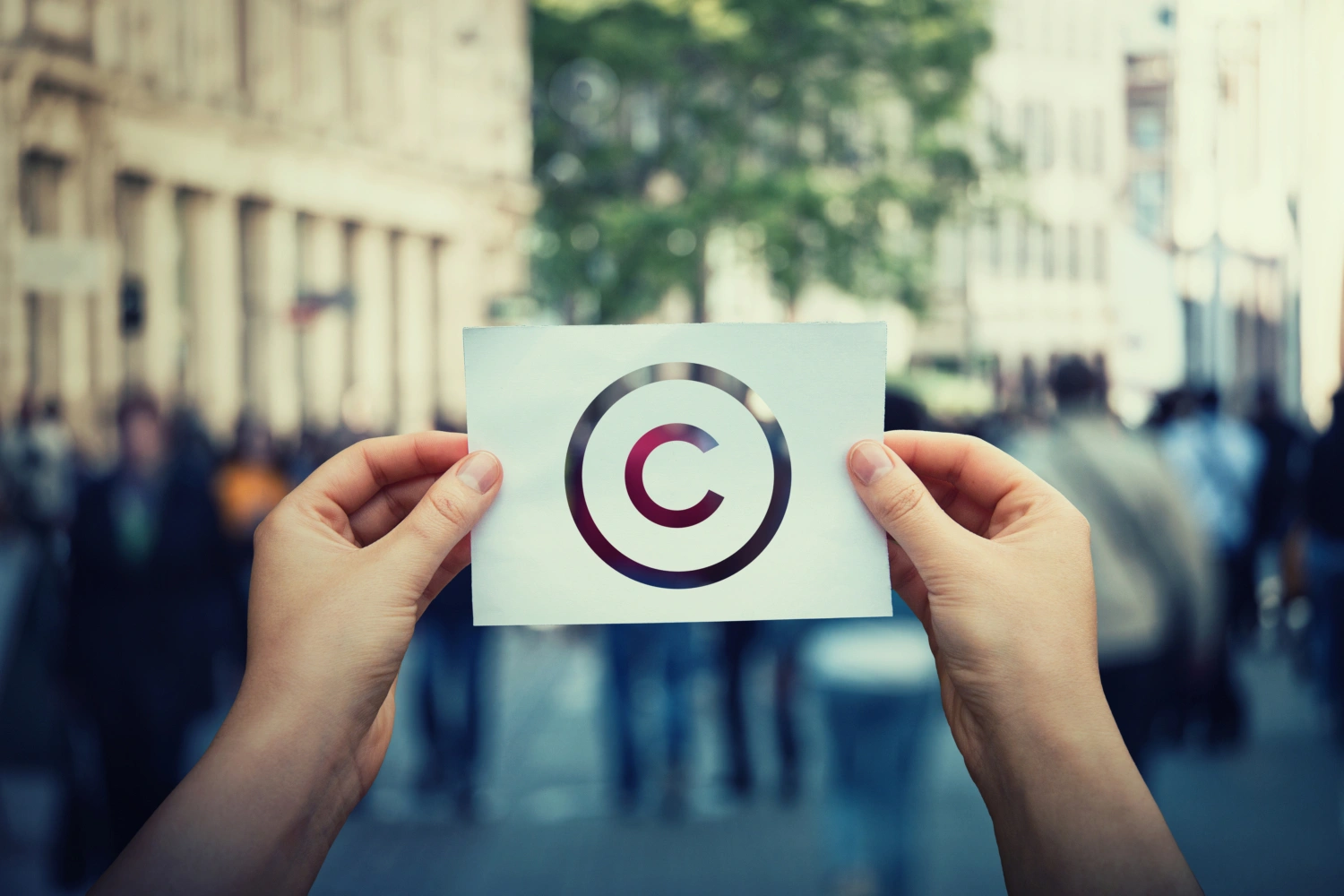
Copyright, though acknowledged as an engine of our economy, has had an uneasy existence online. There are more creators and more infringers than ever before. Even outside of the traditional “media” industries like music, film, and publishing, businesses use copyright law to secure their software, advertising materials, and a host of other valuable content. But at the same time, unscrupulous practitioners, so-called copyright trolls, have leveraged the heavy costs of copyright litigation to extract settlements from people and businesses. Whether good or bad, many copyright claims do not warrant the time and expense of federal litigation.
In an attempt to make remedies more accessible, Congress passed the “Copyright Alternative in Small-Claims Enforcement Act” or CASE Act, which gives the Copyright Office the authority to create a Copyright Claims Board, essentially a small claims court for copyright. Disputes will be limited to those under $30,000. Unlike claims in federal court, attorney fees will not be recovered except in cases of bad faith conduct. Also, unlike federal court, a plaintiff can commence a proceeding having only a pending application for registration, rather than a certificate of registration, although for a reduced amount of damages. The proceedings will have limited discovery and are intended to be streamlined, much like small claims cases in state courts. Litigants can opt out of the Copyright Claims Board proceedings if notice is given within 30 days. If the parties do not opt out, there are only limited rights to an appeal.
Why Use The Copyright Claims Board?
Generally, many plaintiffs may still want to bring claims in a district court to make use of the available higher statutory damages, attorney fee awards, and to combine other legal claims outside of copyright law. But, here are a few types of cases that could be a good use of the Copyright Claims Board:
- Straightforward copyright claims of relatively small scale infringement. Often, a business or artist simply wants some fair compensation and is not interested years of litigation in federal court.
- Claims against numerous defendants or defendants that may be nearly judgment proof. If a work is being widely infringed, it may be too onerous to commence numerous lawsuits in federal courts and there may be a concern that any judgments would be uncollected.
- Claims for material misrepresentations in copyright takedown notices. Over 20 years ago, Congress passed the Digital Millennium Copyright Act, which includes the laws controlling website safe harbors and takedown notices. This included a right to bring a claim based on misrepresentations in takedown notices. However, many courts have interpreted that to require a very high standard of demonstrating that the misrepresentations were knowing and material. So, this type of claim has been somewhat infrequently litigated, despite the large number of takedown notices and counternotices sent to websites every day, many of which are undoubtedly based on misrepresentations about copyright ownership or infringement. The lower costs of a Copyright Claims Board proceeding could make bringing a claim like this more palatable, because of the reduced costs and reduced risk of paying an attorney fees award if the claim proves to be unsuccessful.
- Putting to rest dubious threats in cease and desist letters. The CASE Act allows the Copyright Claims Board to hear claims for a of declaration non-infringement. Businesses that in the past have had to choose between ignoring these letters or bringing a declaratory judgment action in federal court now have a third, cheaper option to put frivolous claims to rest.
Overall, businesses that have smaller potential claims that don’t require the time and costs of federal litigation will want to consider use of the new proceedings the CASE Act allows. However, they may want to consider opting out when defending more complicated cases, especially those that involve counterclaims or a reasonable expectation of recovering attorney fees.
Related Insights
Posted on
Mar 5, 2025
General Business
General Business
Enforcement of BOI Reporting under the Corporate Transparency Act is Mostly Paused . . . For Now
If you are unsure if your business still needs to comply with CTA/BOI Reporting, consult with legal counsel.
View Article.webp)
Posted on
Jan 23, 2024
General Business
General Business
Obtaining a FinCEN Identifier (ID)
As the new year has begun, so have the reporting requirements of the Corporate Transparency Act. As a follow up to our September 14, 2022 article “An Introduction to the Corporate Transparency Act,” and our December 23, 2023 article “Basic Overview of the Corporate Transparency Act (CTA),
View Article
Posted on
Aug 9, 2023
General Business
General Business
Overview of the Delaware Franchise Tax (Corporations, Limited Liability Companies, Limited Partnerships, and General Partnerships) and Calculating Methods for Corporations
March 1st is an annual date corporations incorporated in the State of Delaware should keep in mind because that is the due date for the Delaware annual report and franchise tax payment.
View Article